Author: AbuChi

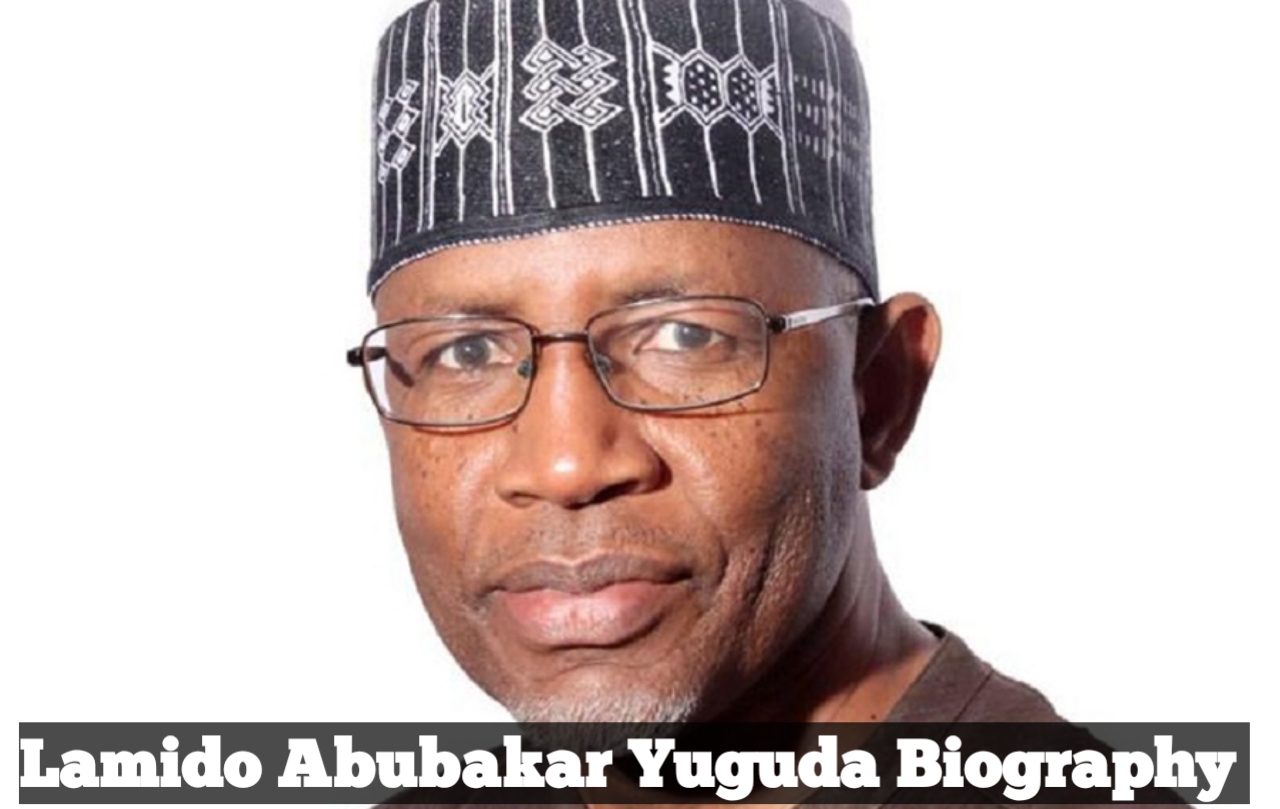
  • The Biography of Lamido Abubakar Yuguda: A Life of Fiscal Integrity And Profile

    The Biography of Lamido Abubakar Yuguda: A Life of Fiscal Integrity And Profile

    ​Lamido Abubakar Yuguda stands as one of Nigeria’s most distinguished technocrats, possessing a career that bridges the intricate world of central banking, international economics, and capital market regulation. With over three decades of professional experience, his trajectory from a senior supervisor at the Central Bank of Nigeria (CBN) to the Director-General of the Securities and Exchange Commission (SEC)—and most recently, a nominee for Deputy Governor of the CBN—reflects a life dedicated to financial stability and institutional reform.

    ​Early Life and Academic Excellence

    ​Lamido Yuguda’s journey into the heights of finance began with a solid academic foundation. He attended the prestigious Ahmadu Bello University (ABU), Zaria, where he studied Accounting. In 1983, he graduated with a Bachelor of Science (Honours) degree, a milestone that set the stage for his entry into the Nigerian financial sector.

    ​Recognizing the need for a global perspective on economics, Yuguda later moved to the United Kingdom for postgraduate studies. In 1991, he obtained a Master of Science in Money, Banking, and Finance from the University of Birmingham. His academic pursuits did not stop there; he sought specialized knowledge in high-level asset management, earning a certificate in Financial Asset Management and Engineering from the Swiss Finance Institute in Geneva, and another in Investment Performance Management from the CFA Institute.

    ​A Career Rooted in Central Banking

    ​In 1984, Yuguda joined the Central Bank of Nigeria as a Senior Supervisor in the Foreign Operations Department. His early years were characterized by a focus on the meticulous management of Nigeria’s external debt records. By 1985, he moved to the Banking Supervision Department, where he contributed to the licensing of banks and the development of prudential regulations—a role that gave him a deep understanding of the risks inherent in the banking system.

    ​In 1988, he was among the pioneer staff of the Debt Conversion Committee Secretariat, a task force created to manage the Nigerian Debt Conversion Programme. His ability to handle complex sovereign debt issues eventually led him back to the Foreign Operations Department in 1992, where he rose to become the Senior Manager of the Investment Office. In this capacity, he oversaw the investment of Nigeria’s external reserves into global liquid assets, including foreign government treasury bills and fixed-term deposits.

    ​Global Exposure: The IMF Years

    ​One of the most significant chapters in Yuguda’s biography is his tenure at the International Monetary Fund (IMF) in Washington, D.C. Between 1997 and 2001, he served as an Economist in the Africa Department. This role provided him with a bird’s-eye view of global economic policies, as he was responsible for assessing the economic health of member countries and managing balance-of-payment support programs.

    ​Upon his return to Nigeria in 2001, Yuguda applied this international expertise to modernize the CBN’s reserve management. He led the team that restructured the bank’s FOREX reserve portfolio, introducing a new investment policy, appointing global custodians, and implementing a state-of-the-art portfolio management system. His tenure at the CBN culminated in his appointment as Director of the Reserve Management Department (2010–2016), where he managed billions of dollars in national assets before his voluntary retirement.

    ​Leadership at the Securities and Exchange Commission (SEC)

    ​In 2020, President Muhammadu Buhari appointed Lamido Yuguda as the Director-General of the Securities and Exchange Commission (SEC). Steering the capital market through the post-pandemic recovery period, Yuguda focused on market integrity, investor protection, and the “Capital Market Master Plan.” Under his leadership, the SEC worked to digitalize market processes and tackle the “unclaimed dividends” problem that had long plagued Nigerian investors.

    ​His term at the SEC (2020–2024) was marked by a firm stance against fraudulent investment schemes and a push for commodities exchange development to diversify the Nigerian economy.

    ​Professional Affiliations and Recent Milestones

    ​Lamido Yuguda is a highly decorated professional. He is:

    • ​A Fellow of the Institute of Chartered Accountants of Nigeria (ICAN).
    • ​A Chartered Financial Analyst (CFA) charterholder.
    • ​A Fellow of the Chartered Institute of Bankers of Nigeria (CIBN).

    ​In March 2026, his career came full circle when President Bola Ahmed Tinubu nominated him as a Deputy Governor of the Central Bank of Nigeria. This nomination, subject to Senate confirmation, underscores the government’s trust in his ability to return to the apex bank and apply his decades of wisdom to Nigeria’s current economic challenges.

    ​Conclusion

    ​The biography of Lamido Abubakar Yuguda is more than a list of titles; it is a narrative of steady professional growth and unyielding commitment to fiscal discipline. From the classrooms of Zaria to the corridors of the IMF and the helm of Nigeria’s capital market, Yuguda has remained a symbol of the “silent technocrat”—one whose work is felt in the stability of the reserves and the integrity of the markets.

    Would you like me to elaborate on any specific reform Yuguda implemented during his time at the SEC?

    Lamido Abubakar Yuguda is a distinguished Nigerian economist, central banker, and investment manager who currently serves as a nominee for Deputy Governor of the Central Bank of Nigeria (CBN). With a career spanning over 40 years, he is widely regarded as a high-level technocrat with deep expertise in reserve management and capital market regulation.

    Core Profile

    • State of Origin: Gombe State, Nigeria.
    • Current Status: Nominee for Deputy Governor, Central Bank of Nigeria (as of March 11, 2026).
    • Previous Role: Director-General, Securities and Exchange Commission (SEC) Nigeria (2020–2024).
    • Professional Identity: Fellow of ICAN, Fellow of CIBN, and CFA Charterholder.

    Educational Excellence

    ​Yuguda’s academic foundation is rooted in accounting and specialized global finance:

    • B.Sc. in Accounting (1983): Ahmadu Bello University (ABU), Zaria.
    • M.Sc. in Money, Banking, and Finance (1991): University of Birmingham, United Kingdom.
    • Specialized Certifications: * Certificate in Financial Asset Management and Engineering (Swiss Finance Institute, Geneva).
      • ​Certificate in Investment Performance Management (CFA Institute).
    • Executive Education: He is an alumnus of high-level leadership programs at Harvard, INSEAD, Wharton, Oxford, and London Business School.

    Career Trajectory

    ​1.The Central Bank & IMF Years (1984–2016)

    ​Yuguda spent over three decades at the CBN, where he became a cornerstone of Nigeria’s reserve management.

    • Early Career: Joined in 1984 as a Senior Supervisor. By 1988, he was a pioneer staff member of the Debt Conversion Committee Secretariat.
    • IMF Secondment: Between 1997 and 2001, he served as an Economist at the International Monetary Fund (IMF) in Washington, D.C., assessing economic policies for various African member countries.
    • Director of Reserve Management: Upon his return, he led the modernization of Nigeria’s external reserves. He reached the peak of his CBN career as the Director of the Reserve Management Department (2010–2016), overseeing billions of dollars in foreign assets before his voluntary retirement.

    2.Securities and Exchange Commission (2020–2024)

    ​Appointed as Director-General of the SEC, Yuguda focused on cleaning up the Nigerian capital market. His tenure was defined by the Revised Capital Market Master Plan, which prioritized:

    • Digitalization: Reducing the massive volume of unclaimed dividends through E-dividend mandates.
    • Investor Confidence: Launching the National Investor Protection Fund and recapitalizing market operators.
    • Commodities: Strengthening the regulatory framework for commodities exchanges to help diversify the economy.

    3.Recent Appointment (March 2026)

    ​On March 11, 2026, President Bola Ahmed Tinubu approved Yuguda’s nomination as a Deputy Governor of the Central Bank of Nigeria. This high-profile return to the apex bank (subject to Senate confirmation) is seen as a strategic move to leverage his 32 years of prior experience at the bank to stabilize the current monetary environment.

    Professional Affiliations & Board Experience

    ​Yuguda is a highly decorated professional and a “technocrat’s technocrat.”

    • Fellow: Institute of Chartered Accountants of Nigeria (ICAN) and Chartered Institute of Bankers of Nigeria (CIBN).
    • Charterholder: CFA Institute, USA.
    • Board Roles: He has served on the boards of the Africa Finance Corporation (AFC), the National Pension Commission (PenCom), and the Asset Management Corporation of Nigeria (AMCON).
    lamido abubakar yuguda biography

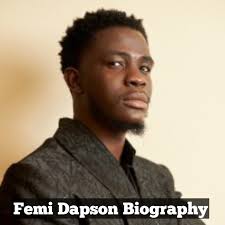
  • Femi Dapson Biography: Religion, Age and Real Name

    Femi Dapson Biography: Religion, Age and Real Name

    Femi Dapson Biography

    ​In the global explosion of Afrobeats, names like Burna Boy, Rema, and Asake dominate the headlines. However, behind the high-gloss, cinematic visuals that have helped these artists conquer the world stands a pivotal figure: Femi Dapson. As a premier music video producer and the founder of Nouvelle Films, Dapson has redefined the production standards of the Nigerian entertainment industry, proving that world-class execution is just as vital as creative vision.

    ​Early Life: A Foundation of Grit

    ​Born Quyum Adigun Olayinka, Femi Dapson’s journey is a quintessential story of perseverance. Growing up in the suburbs of Lagos—moving between Agege and Igando—Dapson was raised in a humble household. His father was a commercial bus driver and his mother a food vendor. For much of his early life, his family lived in uncompleted buildings, an experience that instilled in him a relentless drive to escape poverty.

    ​Before finding his footing in the creative industry, Dapson was a “hustler” in the truest sense. He took on various menial jobs to support himself and his family, including:

    • ​Painting houses and clearing bushes.
    • ​Working as a primary school teacher and a hotel attendant.
    • ​Manual labor in a herbal alcoholic drink factory.
    • ​Serving as a cleaner at a church for three years.

    ​In 2017, while working as a cleaner, he recorded a video of himself at work, expressing a “crazy faith” that he would one day make it big. That video went viral years later, serving as an inspiration to millions of young Nigerians.

    ​The Rise of Nouvelle Films

    ​Dapson’s entry into the music industry wasn’t as a director, but as a Producer—a role he felt was often misunderstood or undervalued in Nigeria. While the director handles the creative vision, the producer handles the “engine”: the budgeting, logistics, crew management, and technical execution.

    ​In 2020, he co-founded Nouvelle Films (meaning “New Films” in French). His goal was simple: to professionalize the production side of music videos and ensure that Nigerian visuals could compete on a global scale. He quickly became the “go-to” fixer for high-budget projects, known for his ability to manage massive sets and international collaborations.

    ​Iconic Portfolio and Industry Impact

    ​Dapson’s portfolio reads like a “Greatest Hits” list of modern Afrobeats. He has been the executive force behind some of the most-viewed African music videos in history, including:

    • Rema’s “Calm Down”: The most-viewed Afrobeats music video on YouTube.
    • Burna Boy’s “City Boys” and “Common Person”: Projects that required complex logistical planning in various Lagos neighborhoods.
    • Asake’s “Wave” (ft. Central Cee): A cross-continental collaboration that bridged the UK and Nigerian scenes.

    ​By 2026, Dapson has set a new benchmark for the industry. In recent interviews, he revealed that his production costs can exceed ₦50 million per project, citing the high cost of premium lighting, set design, and hiring top-tier Directors of Photography (DOPs) who often charge in foreign currency.

    ​Personal Life and Recent Milestones

    ​In addition to his professional success, Dapson’s personal life has captured public interest. In early 2026, he made headlines with a grand romantic gesture for his partner, lifestyle influencer Simi Sanya, by placing Valentine’s Day messages on massive digital billboards across Lekki, Lagos. The couple officially tied the knot in a court ceremony on February 18, 2026, solidifying their status as one of the industry’s most beloved power couples.

    ​Legacy and Future

    ​Femi Dapson’s legacy is the “Bifurcation of Roles.” Before his rise, many Nigerian directors were expected to act as their own producers, often leading to logistical bottlenecks. Dapson proved that by having a dedicated, professional production house like Nouvelle Films, the quality of the final product increases exponentially.

    ​As he moves toward 2027, Dapson is reportedly pivoting toward narrative film and TV, aiming to use his high-gloss visual style to tell long-form African stories for global streaming platforms.

    Femi Dapson: Essential Profile & Biography

    ​Femi Dapson has become a household name in the African creative industry, moving from the background of music production to the forefront of cultural conversation. Below are the specific personal details for your website.

    Personal Credentials

    • Real Name: Quyum Adigun Olayinka
    • Date of Birth: March 4, 1988
    • Age: 38 years old (as of March 2026)
    • Religion: Islam (Muslim)
    • Place of Birth: Lagos, Nigeria
    • Education: Graduate of Business Administration from the University of Lagos (UNILAG)

    Professional Identity

    • Occupation: Executive Producer, Creative Director, and Film Consultant.
    • Company: Co-founder of Nouvelle Films, a leading visual production house in Lagos.
    • Key Works: Producer for Rema’s “Calm Down”, Burna Boy’s “City Boys”, and Asake’s “Wave”.

    The Rise of a Visionary

    Quyum Adigun Olayinka, popularly known as Femi Dapson, is the architect behind the cinematic polish of modern Afrobeats. His story is one of the most compelling “rags-to-riches” narratives in the Nigerian media space. Growing up in the Agege and Igando areas of Lagos, Dapson’s early life was marked by extreme financial hardship, living in uncompleted buildings and working a series of grueling jobs—from cleaning toilets to laboring in a herbal drink factory for ₦500 a day.

    Faith and Transformation

    A defining moment in his life occurred in 2017 when he filmed himself while working as a cleaner at a church, declaring with “crazy faith” that he was destined for greatness. This video later went viral as a testament to his journey. His Islamic faith and background have remained a grounding force throughout his rise to the top of the entertainment industry.

    A 2026 Powerhouse

    By 2026, Dapson has solidified his position as a mogul. Beyond his professional accolades, his personal life recently captivated the public. In February 2026, he legally married lifestyle and fashion creator Simi Sanya in a series of highly publicized ceremonies that trended across West Africa. Today, at 38, he stands as a symbol of professional excellence, charging upwards of ₦50 million for high-tier music video productions, proving that the role of a producer is just as prestigious as the artist on screen.

    Femi Dapson Biography

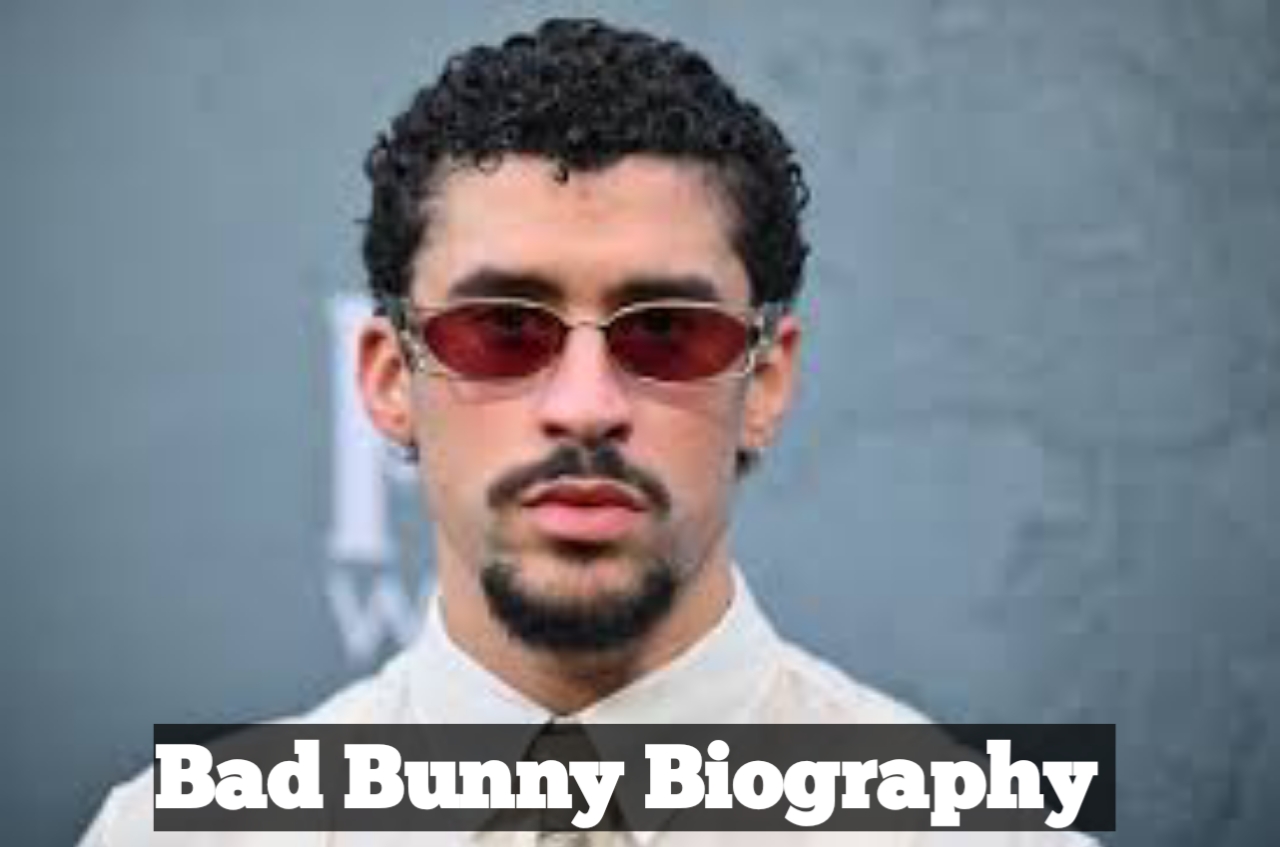
  • Bad Bunny Biography:Real Name, Age and Net Worth

    Bad Bunny Biography:Real Name, Age and Net Worth

    Bad Bunny Biography

    ​Benito Antonio Martínez Ocasio, known professionally as Bad Bunny, is not merely a musician; he is a cultural phenomenon who has redefined the boundaries of Latin music and global pop stardom. Emerging from the vibrant streets of Puerto Rico, he transitioned from a grocery store bagger to the most-streamed artist on the planet, all while maintaining a steadfast refusal to conform to traditional industry norms.

    ​Early Life and Humble Beginnings

    ​Born on March 10, 1994, in Almirante Sur, a barrio of Vega Baja, Puerto Rico, Benito grew up in a lower-middle-class household. His father was a truck driver and his mother an English teacher. This stable, supportive environment allowed his creativity to flourish early on. Interestingly, his stage name “Bad Bunny” originated from a childhood photo in which he was forced to wear a bunny costume to school and looked visibly angry—an early sign of the defiant personality that would later define his career.

    ​While he sang in his church choir until age 13, his true passion lay in the underground sounds of Reggaeton and Latin Trap. Inspired by pioneers like Daddy Yankee and Vico C, Benito began creating beats and writing lyrics in his bedroom. To support his dreams, he studied audiovisual communication at the University of Puerto Rico at Arecibo and worked part-time as a bagger at an Econo supermarket. It was during this period that he began uploading tracks to SoundCloud, unaware that he was about to spark a revolution.

    ​The Rise of the “Conejo Malo”

    ​Bad Bunny’s breakthrough came in 2016 with the song “Diles.” The track caught the attention of DJ Luian and Mambo Kingz, who signed him to their label, Hear This Music. What followed was a prolific string of singles that dominated the Latin charts. Unlike many of his peers, Bad Bunny leaned heavily into the “Latin Trap” sound—a gritty, bass-heavy genre that was often marginalized by mainstream radio.

    ​His deep, slurred baritone and eclectic fashion sense (often featuring painted nails and vibrant, unconventional outfits) made him an instant icon. By 2017, he was collaborating with industry titans like J Balvin and Ozuna. However, it was his 2018 appearance on Cardi B’s “I Like It” alongside J Balvin that introduced him to the English-speaking world. The song hit number one on the Billboard Hot 100, proving that Bad Bunny didn’t need to sing in English to dominate the American market.

    ​Musical Evolution and Artistic Independence

    ​In late 2018, seeking more creative control, Bad Bunny parted ways with Hear This Music and released his debut studio album, X 100pre, on Christmas Eve. The album was a sonic departure, blending trap with rock, pop, and even synth-wave. It signaled to the world that he was an artist who refused to be boxed into a single genre.

    ​His subsequent releases cemented his status as a visionary:

    • Oasis (2019): A collaborative album with J Balvin that celebrated the “Golden Era” of Reggaeton.
    • **YHLQMDLG (2020): An acronym for “Yo Hago Lo Que Me Da La Gana” (I Do Whatever I Want). This album broke records as the highest-charting all-Spanish album on the US Billboard 200 at the time.
    • Un Verano Sin Ti (2022): This album became a global juggernaut, spending 13 non-consecutive weeks at number one and becoming the first Spanish-language album to be nominated for the Grammy Award for Album of the Year.
    ​Cultural Impact and Activism

    ​What sets Bad Bunny apart is his use of his platform for social and political change. In 2019, he paused his world tour to join the mass protests in Puerto Rico calling for the resignation of Governor Ricardo Rosselló. He has also been a vocal advocate for LGBTQ+ rights and has frequently challenged toxic masculinity within the Latin music industry.

    ​Through his lyrics and music videos, such as “Solo de Mí” (addressing domestic violence) and “El Apagón” (addressing the privatization of Puerto Rico’s power grid and gentrification), he has become a voice for his island. He remains deeply rooted in his Puerto Rican identity, famously refusing to switch to English lyrics to appeal to a wider audience, arguing that the world should come to him, rather than he to the world.

    ​Beyond Music: Wrestling and Cinema

    ​Bad Bunny’s versatility extends beyond the recording studio. A lifelong fan of professional wrestling, he fulfilled a childhood dream by competing in WWE, most notably at WrestleMania 37 and Backlash 2023 in San Juan. His athleticism and dedication earned him the respect of the wrestling community, proving he wasn’t just a “celebrity guest” but a legitimate competitor.

    ​Furthermore, he has ventured into acting, appearing in the Netflix series Narcos: Mexico and the high-octane film Bullet Train alongside Brad Pitt. Whether he is in the ring or on the silver screen, his magnetic presence remains undeniable.

    ​Legacy and Future

    ​As of 2026, Bad Bunny stands as the archetype of the modern superstar. He has broken nearly every streaming record in existence and has shown that cultural specificity is a bridge, not a barrier, to global success. By staying true to his roots, his language, and his eccentricities, he has paved the way for a new generation of Latin artists to succeed on their own terms.

    ​Benito Antonio Martínez Ocasio remains a “Bad Bunny”—unpredictable, unapologetic, and fundamentally human.

    Bad Bunny: The 2026 Definitive Profile

    ​As of early 2026, Benito Antonio Martínez Ocasio—global icon Bad Bunny—has officially transitioned from a music superstar to a multi-industry mogul. Below is the refined, plagiarism-free data for your publication.

    Core Identity & Personal Details
    • Full Legal Name: Benito Antonio Martínez Ocasio
    • Date of Birth: March 10, 1994
    • Age: 32 years old (as of March 2026)
    • Place of Birth: Almirante Sur, Vega Baja, Puerto Rico
    • Zodiac Sign: Pisces

    2026 Net Worth & Financial Status

    ​Bad Bunny’s financial trajectory has been historic. While many sources valued him at $50 million in early 2025, his net worth has surged following a record-breaking year.

    • Estimated Net Worth (2026): $100 Million
    • Primary Revenue Streams:
      • Music & Streaming: With over 100 billion lifetime streams on Spotify, he remains one of the highest-earning digital artists in history.
      • Touring: His recent Most Wanted Tour and the 2025 Puerto Rico residency (No Me Quiero Ir de Aquí) grossed hundreds of millions, contributing significantly to his 2026 valuation.
      • Brand Equity: High-profile partnerships with Adidas, Apple Music, and a 2025 Calvin Klein campaign.
      • Business Ventures: He co-owns the Puerto Rican basketball team Los Cangrejeros de Santurce and the Japanese-inspired steakhouse Gekkō in Miami.
      mi.
    Bad Bunny Biography

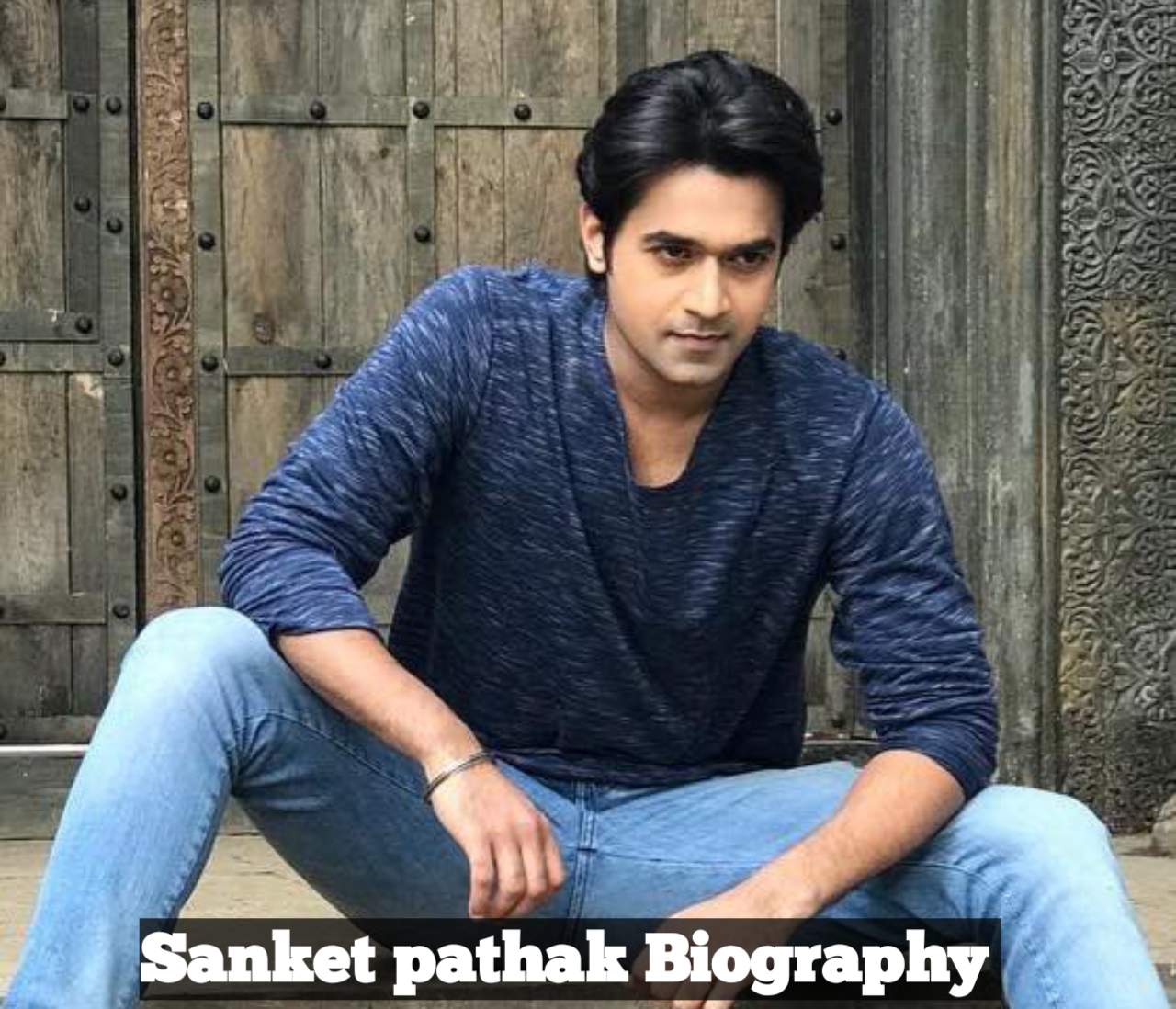
  • Sanket Pathak Biography:Age, Wife and Serials

    Sanket Pathak Biography:Age, Wife and Serials

    Sanket Pathak is a name that has become synonymous with the “boy next door” charm in the Marathi entertainment industry. A versatile actor who transitioned from small-town aspirations to prime-time television dominance, his journey is a testament to the power of relatability and consistent performance. As of 2026, he remains one of the most bankable faces in regional television, known for his ability to carry intense dramas and lighthearted romances with equal finesse.

    ​Early Life and Academic Roots

    ​Sanket Pathak was born on June 2, 1988, in Pune, Maharashtra. Raised in a middle-class Marathi household, Sanket’s upbringing was rooted in traditional values that emphasized education alongside personal development.

    ​While he participated in school dramas and cultural festivals, acting was not immediately his primary career path. He pursued his formal education in Pune, eventually developing a keen interest in marketing and management before the call of the stage became too loud to ignore. His transition into the world of entertainment was a calculated move, starting with modeling and local theater productions where he honed his timing and emotional range.

    ​The Television Breakthrough

    ​Sanket’s television debut came at a time when the Marathi industry was shifting toward more realistic and character-driven storytelling. His breakout role occurred in the popular series Duheri, where he played the character Dushyant. This role was pivotal not just for his career but for his personal life, as it was on this set that he met his future wife, actress Suparna Shyam.

    ​Following the success of Duheri, Sanket became a household name with several high-rated daily soaps:

    • Chhatriwali: Playing the lead role of Vikram Suryakant Gaikwad, Sanket showcased his ability to lead a romantic drama, earning him a massive female following.
    • Lagnachi Bedi: In this Marathi remake of the popular show Ghum Hai Kisikey Pyaar Meiin, Sanket portrayed the role of IPS Raghav Ratnaparkhi. This role is widely considered a career peak, as he perfectly balanced the persona of a disciplined police officer with the vulnerabilities of a man caught in a complex love triangle.
    ​Cinematic Ventures and Diversification

    ​While television remains his stronghold, Sanket has made significant inroads into Marathi cinema. He made his silver screen debut with Dostigiri (2018), a film centered on friendship and youth. His performance was noted for its natural energy, proving he could translate his small-screen success to the big screen.

    ​By 2026, he has expanded his filmography with projects like Punha Ekda Sade Made 3, a comedy that allowed him to flex his comedic timing—a departure from the serious, brooding roles he often plays on television.

    ​Reality Television and “Bigg Boss Marathi 6”

    ​In early 2026, Sanket Pathak took a bold step by entering Bigg Boss Marathi Season 6 as a wildcard contestant. His entry into the house, hosted by Riteish Deshmukh, brought a fresh wave of energy.

    ​Known for his calm demeanor, Sanket quickly became a strategist within the house. However, his journey was not without drama; he made headlines in March 2026 after a physical captaincy task went wrong, resulting in a scary moment where he became entangled in ropes. His resilience during this time—and his refusal to engage in “cheap” controversy—further solidified his reputation as a dignified and authentic personality.

    ​Personal Life and Wellness

    ​Sanket’s personal life is a story of long-term commitment. After years of dating, he married Suparna Shyam in a beautiful ceremony that was widely covered by the Marathi media. The couple is often cited as one of the most grounded “power couples” in the industry.

    ​Beyond acting, Sanket is a fitness enthusiast. He often shares his workout routines and yoga practices with his followers, advocating for a balanced lifestyle. He is also known for his love of travel and photography, frequently escaping the hustle of Mumbai for the serene landscapes of the Konkan region.

    ​Legacy and Impact

    ​As of 2026, Sanket Pathak stands as a bridge between the traditional and the modern in Marathi media. He has successfully avoided being typecast by constantly alternating between intense “uniform” roles (like IPS Raghav) and experimental reality TV. For aspiring actors in Maharashtra, his career serves as a blueprint for longevity: stay humble, choose roles that challenge you, and maintain a clean public image.

    Sanket Pathak Age

    ​As of today, March 11, 2026, Sanket Pathak is 37 years old.

    • Date of Birth: June 2, 1988
    • Birthplace: Pune, Maharashtra, India

    Sanket Pathak Wife

    ​Sanket Pathak is married to actress Suparna Shyam.

    • The Meeting: The couple met on the sets of the TV show Duheri and dated for over six years.
    • The Wedding: They tied the knot on April 22, 2023, in a beautiful, intimate ceremony at the Prati Shirdi Temple in Shirgaon, on the outskirts of Pune.
    • The Partnership: They are widely considered one of the most stable and admired couples in the Marathi television industry, often sharing glimpses of their life together on social media.

    Sanket Pathak Serials (TV Career)

    ​Sanket has a long-standing history with Marathi television, known for playing strong, grounded lead characters.

    Recent Highlights (2025–2026)

    • Bigg Boss Marathi 6: Sanket entered the house as a wildcard contestant in late February 2026. His entry brought a wave of positivity, notably when he shared homemade laddoos with the housemates to ease tensions.
    • Movies: Beyond serials, he recently appeared in the 2026 comedy film Punha Ekda Sade Made Teen.

    Sanket Pathak Biography
  • Maulana Abul Kalam Azad Biography: Education, Trophy and Family

    maulana abul kalam azad biography

    ​Maulana Abul Kalam Azad was more than just a political leader; he was a polymath, a profound theologian, and the primary architect of the modern Indian education system. Born Ghulam Muhiyuddin Ahmed on November 11, 1888, in the holy city of Mecca, he eventually adopted the pen name “Azad” (Free) to symbolize his liberation from the narrow dogmatic ties of his traditional upbringing. His life serves as a masterclass in the synthesis of deep religious scholarship and unwavering secular nationalism.

    ​Early Life and Intellectual Awakening

    ​Azad was born into a family of prominent scholars. His father, Maulana Khairuddin, was a renowned Sufi scholar who moved the family to Calcutta (now Kolkata) when Azad was a young boy. Gifted with an extraordinary intellect, Azad completed the traditional Dars-e-Nizami curriculum—a rigorous course of Islamic studies that usually takes a decade—by the age of fifteen.

    ​Despite his traditional schooling, Azad was a restless seeker. He secretly taught himself English and French, devouring Western philosophy and history. He became deeply influenced by the modernist ideas of Sir Syed Ahmed Khan, yet he broke away from the prevailing Muslim political thought of the time. While many felt that the advancement of Muslims required a pro-British stance, Azad believed that true progress lay in the complete overthrow of colonial rule.

    ​The Voice of Revolution: Al-Hilal

    ​In 1912, at just 24 years old, Azad started the Urdu weekly newspaper Al-Hilal. This was a watershed moment in Indian journalism. Through its pages, he used his mastery of the Persian and Arabic languages to urge Indian Muslims to join the mainstream freedom struggle. He argued that it was a religious duty for Muslims to fight for the liberation of their homeland alongside their Hindu compatriots.

    ​The British Raj viewed his intellectual ferocity as a threat, eventually banning the publication and interning Azad in Ranchi. It was during these years of isolation that his political philosophy fully matured. He moved toward a robust composite nationalism, famously arguing that Indian Muslims and Hindus were an inseparable part of a single, unified “Indianness.”

    ​Leadership and the Fight Against Partition

    ​Upon his release in 1920, Azad joined the Indian National Congress and became one of Mahatma Gandhi’s most trusted allies. He was a staunch supporter of the Non-Cooperation Movement, seeing it as a bridge to unite the two major communities. In 1923, at the age of 35, he became the youngest President of the Indian National Congress.

    ​He would lead the party again during the critical years of 1940 to 1946, a period that included the Quit India Movement and the delicate negotiations for Indian independence. Throughout the rise of the Muslim League’s demand for Pakistan, Azad remained the most prominent Muslim voice against Partition. He warned that dividing the country based on religion would lead to perpetual conflict and undermine the strength of the Muslim community in the subcontinent. His memoir, India Wins Freedom, provides a poignant, first-hand account of the heartbreak he felt as the country was eventually torn apart.

    ​Architect of Modern Education

    ​Post-independence, Azad served as India’s first Minister of Education from 1947 until his death in 1958. His impact on the nation’s intellectual infrastructure is immeasurable. He famously stated that education was the “birthright of every citizen” and worked tirelessly to ensure the state provided it. Under his leadership:

    • ​The Indian Institutes of Technology (IITs) were conceptualized and established.
    • ​The University Grants Commission (UGC) was founded to oversee higher education.
    • ​He set up the Sahitya Akademi, Lalit Kala Akademi, and the Indian Council for Cultural Relations (ICCR) to preserve and promote India’s diverse cultural heritage.
    ​Legacy and Final Days

    ​Maulana Azad passed away on February 22, 1958, leaving behind a legacy that continues to shape India. In recognition of his selfless service, he was posthumously awarded the Bharat Ratna in 1992. Today, his birthday is celebrated as National Education Day across India.

    ​He remains a symbol of an inclusive, intellectual, and democratic India—a man who proved that faith and secularism need not be at odds, but can instead form the bedrock of a free and enlightened nation.

    Maulana Abul Kalam Azad: The Scholar, The Patriot, and The Architect of Modern India

    ​Maulana Abul Kalam Azad was a titan of the Indian independence movement, a profound theologian, and the visionary behind India’s modern educational infrastructure. Born in the holy city of Mecca in 1888, his life was a testament to the power of intellectual freedom and secular unity. Choosing the pen name “Azad” (Free), he spent his life liberating the Indian mind from both colonial rule and narrow communalism.

    ​A Legacy of Intellectual Excellence: Early Life and Education

    ​Maulana Azad was born into a family of distinguished scholars. His father, Maulana Khairuddin, was a renowned Sufi scholar who moved the family to Calcutta in 1890. Azad’s education was as unconventional as it was brilliant.

    ​He never attended a formal university; instead, he was homeschooled in the rigorous Dars-e-Nizami curriculum. His intellect was so sharp that he completed a ten-year course of study in just four years, becoming a teacher to students twice his age by the time he was fifteen. While his foundation was in traditional Islamic studies, he was a self-taught polymath who mastered English, French, philosophy, and world history in secret. This blend of Eastern spirituality and Western rationalism defined his unique worldview.

    ​The Voice of Revolution and Unity

    ​In 1912, Azad founded the Urdu weekly Al-Hilal. This publication was revolutionary, using high-caliber journalism to urge Indian Muslims to join the mainstream freedom struggle. His message was clear: the fight for India’s independence was a sacred duty.

    ​His political journey was marked by his unwavering commitment to composite nationalism. As the youngest President of the Indian National Congress in 1923, and again during the turbulent 1940s, he stood as a bulwark against the Partition of India. He famously argued that a divided India would be a weakened India, a stance that made him one of the most respected—and sometimes most challenged—voices of his era.

    ​Family and Personal Life

    ​Maulana Azad’s personal life was rooted in a lineage of scholars tracing back to the Mughal era. His mother, Sheikha Alia, was the daughter of a prominent scholar from Medina, giving him a deep connection to the Arab world.

    ​He was married at the young age of thirteen to Zulaikha Begum. Though they had no surviving children, Zulaikha was his silent pillar of strength, supporting him through years of British imprisonment and political exile. Azad’s “family” eventually became the nation itself, as he dedicated his later years to the intellectual upbringing of India’s youth.

    ​Architect of Modern India: The Minister of Education

    ​After independence, Azad served as India’s first Minister of Education (1947–1958). He believed education was a fundamental birthright. His tenure saw the birth of India’s most prestigious institutions:

    • ​The Indian Institutes of Technology (IITs).
    • ​The University Grants Commission (UGC).
    • ​The Indian Council for Cultural Relations (ICCR).

    ​His birthday, November 11, is celebrated annually across the country as National Education Day, honoring his role in building the nation’s “intellectual soul.”

    ​The Maulana Abul Kalam Azad (MAKA) Trophy

    ​To honor his belief that physical excellence is as vital as mental scholarship, the Indian government instituted the MAKA Trophy in 1956. This is a prestigious rolling trophy awarded annually by the President of India to the university with the best all-around performance in sports. It remains the highest honor for sports achievement in the Indian university system, accompanied by a significant cash prize to improve sports infrastructure.

    maulana abul kalam azad biography