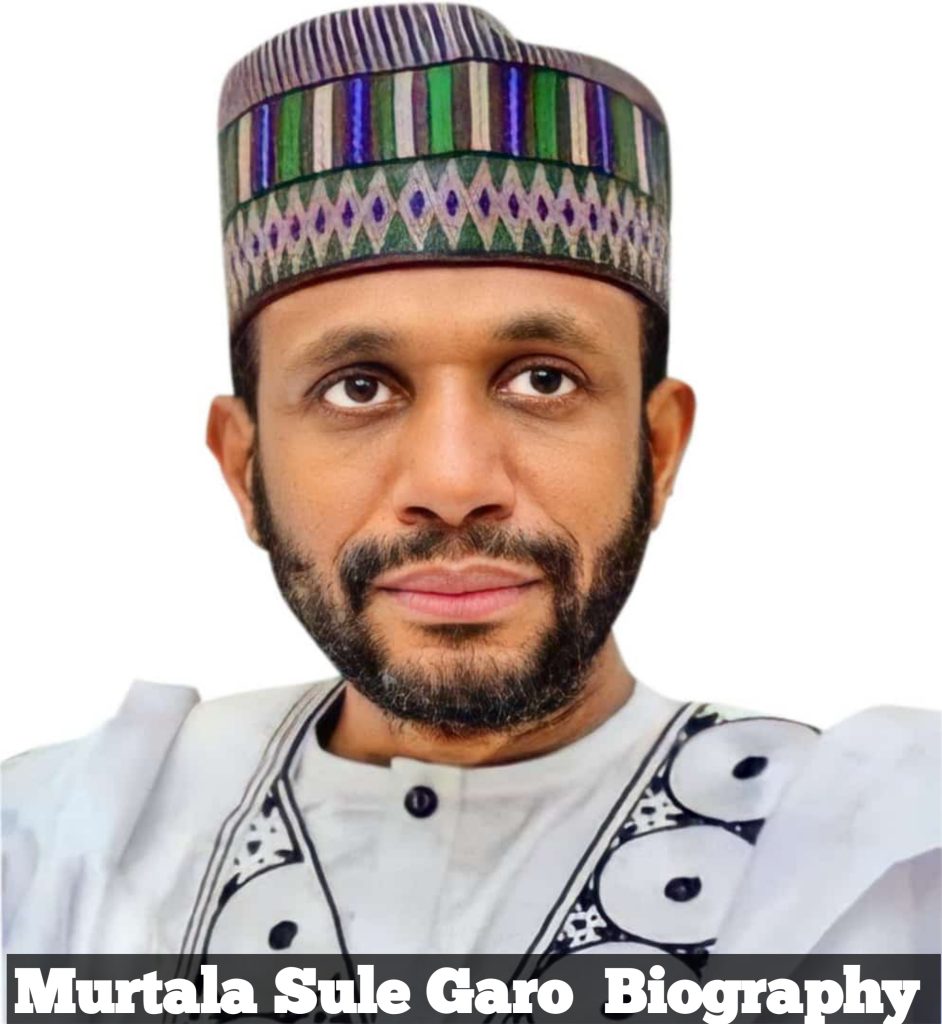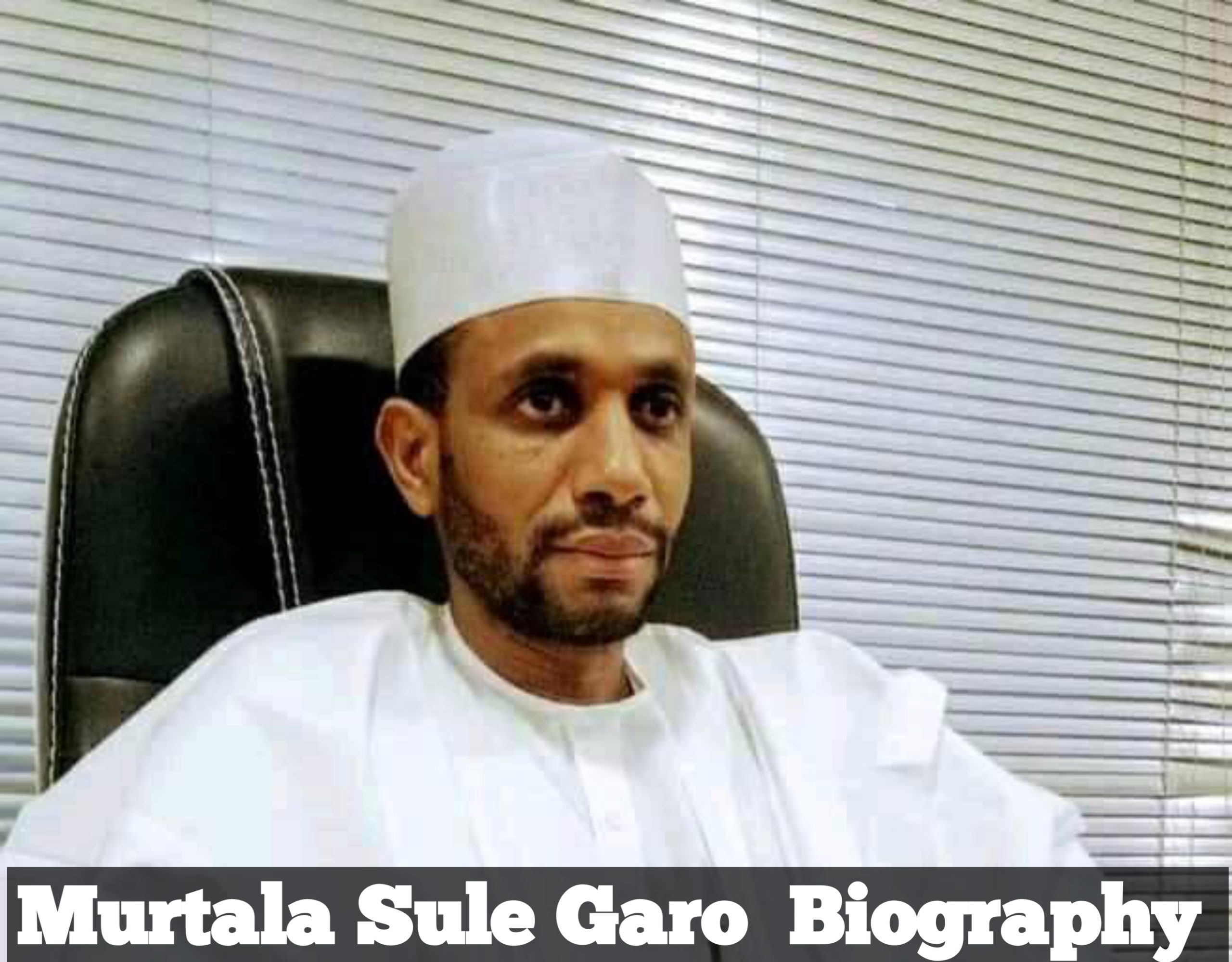
Murtala Sule Garo is a prominent figure in contemporary Nigerian politics, particularly within the landscape of Kano State. Known for his grassroots mobilization skills and his significant influence within the All Progressives Congress (APC), Garo has transitioned from a local administrator to a powerhouse in state-level governance. His journey is a testament to the impact of local political structures in shaping national trajectories.
Early Life and Education
Murtala Sule Garo was born in Garo town, located within the Kabo Local Government Area of Kano State. Growing up in the northern commercial nerve center of Nigeria, he was immersed in a culture that values community leadership and commerce.
ALSO SEE: GIORGIA ADRIANI BIOGRAPHY
His educational journey began with his primary and secondary schooling in Kano, where he laid the foundation for his future career. Seeking to further his academic qualifications, he pursued higher education with a focus on administration and governance. Over the years, he has attended various leadership programs and seminars aimed at honing his skills in public policy and community development. This academic background proved essential as he moved into the complex world of Nigerian local government administration.
The Path Through Local Government
Garo’s rise to prominence began at the grassroots level. He served as the Chairman of Kabo Local Government Area, a role that served as his political “baptism by fire.” In Nigeria, the local government chairman is the closest representative of the state to the people. During his tenure, he focused on:
- Infrastructure: Improving rural roads to facilitate the movement of agricultural goods.
- Education: Rehabilitating primary schools within the Kabo constituency.
- Health: Enhancing the capacity of primary healthcare centers.
His performance and loyalty to the party hierarchy did not go unnoticed. He eventually became the Chairman of the Association of Local Governments of Nigeria (ALGON) for the Kano State chapter. This position gave him a statewide platform, allowing him to coordinate between the 44 local government chairmen and the state executive, effectively making him a bridge between the grassroots and the seat of power.
Service as Commissioner for Local Government
The most defining era of Murtala Sule Garo’s career came during the administration of Governor Abdullahi Umar Ganduje. Recognizing his organizational prowess, Ganduje appointed him as the Honourable Commissioner for Local Government and Chieftaincy Affairs.
This ministry is arguably one of the most powerful in Kano State, as it oversees the administration of all 44 local governments and manages the affairs of the traditional emirates. During his time as Commissioner, Garo became a household name. He was frequently seen at the forefront of state projects and political rallies. His ability to mobilize thousands of supporters earned him the nickname “Commander” among his loyalists.
ALSO ARE: LIZZY GOLD ONUWAJE BIOGRAPHY
The 2023 Gubernatorial Race
As the 2023 general elections approached, Murtala Sule Garo was widely tipped to be the successor to Governor Ganduje. His deep-rooted connection with local government structures made him a formidable contender for the APC gubernatorial ticket. However, following internal party deliberations and strategic alignments, he accepted the role of the Deputy Gubernatorial Candidate, running alongside Dr. Nasiru Yusuf Gawuna.
The 2023 election in Kano was one of the most fiercely contested in the state’s history. While the Gawuna-Garo ticket faced a stiff challenge from the New Nigeria Peoples Party (NNPP), the campaign highlighted Garo’s influence. He was the engine room of the APC’s mobilization efforts, navigating the complex political terrain of Kano’s rural and urban centers.
Political Philosophy and Influence
Murtala Sule Garo’s political philosophy is centered on loyalty and grassroots empowerment. He is a staunch believer in the party structure and has remained a consistent pillar of the APC in Kano. Unlike many politicians who shift allegiances frequently, Garo has maintained a steady trajectory within his political camp.
Beyond the office, he is known for his philanthropic efforts. He has sponsored numerous empowerment programs for youth and women, providing tools for trade, scholarships, and financial grants. His approach to politics is “people-centric,” focusing on maintaining a physical presence within his community rather than ruling from a distance.
Murtala Sule Garo remains a titan in Kano politics. From the quiet streets of Kabo to the corridors of the State Executive Council, his career reflects a deep understanding of the Nigerian political fabric. Whether as a former Commissioner or a party leader, his influence continues to shape the discourse of governance in Northern Nigeria. As the political landscape evolves, Garo’s experience and mobilization capacity ensure that he will remain a key player in the years to come.
Age
While his exact date of birth is not publicly disclosed in official government profiles, he is estimated to be in his late 40s or early 50s. He belongs to a younger generation of influential Northern politicians who rose to power during the early 2000s.
Family Background
Murtala Sule Garo comes from one of Kano State’s most influential and wealthy families, the Garo family of Kabo Local Government Area.
ALSO SEE: FUNKE AKINDELE BIOGRAPHY
- Father: He is the son of the late Alhaji Sule Galadima Garo, a legendary business tycoon and philanthropist in Kano.
- Siblings: He has several prominent brothers who are also active in politics and business, including Senator Aminu Sule Garo (a former Senator and House of Reps member) and Nasiru Sule Garo (a former member of the House of Representatives and current Commissioner).
Wife and Personal Life
Murtala Sule Garo is married to Hauwa Magajiya Ganduje, the daughter of the former Governor of Kano State, Dr. Abdullahi Umar Ganduje.
- This marriage is often highlighted in political circles as it solidified the alliance between the Garo political dynasty and the Ganduje administration.
- They have children together, though their names and ages are generally kept private to protect their security and anonymity.
Education
Garo’s education is centered in Kano, reflecting his deep roots in the state.
- Early Education: He attended primary and secondary schools in his home local government (Kabo) and Kano city.
- Higher Education: He is an alumnus of Bayero University Kano (BUK), where he obtained his degree.
- Focus: His academic background is primarily in Business Administration and Public Administration, which provided the theoretical framework for his later roles as a Local Government Chairman and Commissioner.
Summary Table
| Category | Details |
|---|---|
| Spouse | Hauwa Magajiya Ganduje (Daughter of Abdullahi Ganduje) |
| Father | Late Alhaji Sule Galadima Garo |
| Alma Mater | Bayero University Kano (BUK) |
| Key Relatives | Aminu Sule Garo (Brother), Nasiru Sule Garo (Brother) |
| Primary Base | Garo Town, Kabo LGA, Kano State |